1907 - 2003
https://www.imdb.com/name/nm0000031/
Katherine Houghton Hepburn (May 12th, 1907 - June 29th, 2003) was an American actress. known for her fierce independence and spirited personality, Hepburn was a leading lady in Hollywood for more than 60 years. Katherine appeared in a range of genres, from screwball comedy to literary drama, and she received four Academy Awards --- a record for any performer --- for Best Actress. In 1999, Katherine was named by the American Film Institute as the greatest star of Hollywood Cinema.
(All info is from Wikipedia).
Raised in Connecticut by wealthy, progressive parents, Katherine began acting while studying at Bryn Mawr College. After 4 years in the theatre, favourable reviews of her work on Broadway brought her to the attention of Hollywood. Her early years in the film industry were marked with success, but this was followed by a series of commercial failures that led her to be labeled "box office poison" in 1938. Hepburn masterminded her own comeback, buying out her contract with RKO Radio Pictures and acquiring the film rights to The Philadelphia Story, which she sold on the condition that she be the star. In the 1940s, she was contracted to Metro-Goldwyn-Mayer, where her career focused on an alliance with Spencer Tracey. The screen partnership spanned 25 years and produced nine movies.
Katherine challenged herself in the latter half of her life, as she regularly appeared in Shakespearean stage productions and tackled a range of literary roles. She found a niche playing middle-aged spinsters, a persona the public embraced. In the 1970s, she began appearing in television films, which became the focus of her career in later life. Katherine remained active into old age, making her final screen appearance in 1994 at the age of 87. After a period of inactivity and ill health, Katherine died in 2003 at the age of 96.
Katherine famously shunned the Hollywood publicity machine and refused to conform to society's expectations of women. She was outspoken, assertive, athletic, and wore trousers before it was fashionable for women to do so. She was briefly married as a young woman, but thereafter lived independently. A 26 year affair with her co-star Spencer Tracy was hidden from public. With her unconventional lifestyle and the independent characters she brought to the screen, Katherine epitomized the "modern woman" in the 20th Century United States and is remembered as an important cultural figure.
Katherine Hepburn was recognized by the Academy of Motion Picture Arts and Sciences for the following performances :
1934 Morning Glory --- WON best actress
1936 Alice Adams --- nominated best actress
1941 The Philadelphia Story --- nominated best actress
1943 Woman Of The Year --- nominated best actress
1952 The African Queen --- nominated best actress
1956 Summertime --- nominated best actress
1957 The Rainmaker --- nominated best actree
1960 Suddenly, Last Summer --- nominated best actress
1963 Long Day's Journey into the Night --- nominated best actress
1968 Guess Who's Coming To Dinner --- WON best actress
1969 The Lion In Winter --- WON best actress
1982 On Golden Pond --- WON best actress.
If you could choose --- which Era in Time would you live in ? History shows how mankind has progressed down the ages to our very day today. Which is your favourite Time in History ?
Sunday, 13 May 2018
Sunday, 6 May 2018
MILLICENT FAWCETT
https://www.fawcettsociety.org.uk/our-history?gclid=CjwKCAjw_47YBRBxEiwAYuKdw3Qxy2A6VONrTeLFZdKnZs6crnnrplzRN6A0WpEAKf1mU96L91Au4BoCGf4QAvD_BwE
Millicent Garrett Fawcett was born on 11th June,1847, in Aldeburg to Newson and Louisa Garrett, the eighth of ten children, Millicent and her siblings were encouraged to be physically active, read widely and speak their minds. They were also encouraged to share in the political interests of their father who was a Gladstonian Liberalism, a combative man, and a keen patriot.
Elizabeth Garrett Anderson (Millicent's elder sister) became Britain's first female doctor and she introduced her younger sister to Emily Davies (An English Suffragist) who is quotes as saying:" it is quite clear what has to be done. I must devote myself to securing higher education, while you open the medical profession to women. After these things are done, we must see about getting the vote."
(All information is from Wikipedia)
When she was twelve, Millicent and Elizabeth were sent to study at a private boarding school in Blackheath. In time, Millicent met John Stuart Mills who was an early advocate of universal women's suffrage. His speech on equal rights fro women made a big impression on Millicent. Garrett, Davies and Fawcett worked to form the Kensington Society in 1965, along with ten other young ladies. A year later, Millicent became secretary of the London Society for Women's Suffrage. She was 19 years of age !
Millicent was introduced to Henry Fawcett, a Liberal member of Parliament, and despite a fourteen year age gap, they married on 23rd April.1867. Their only child, Philippa, was born in 1868. Millicent ran two households, one in Cambridge and one in London. Henry and Millicent had a close relationship, a real loving marriage. Philippa excelled at school.
In 1868, Millicent joined the London Suffrage Committee, and in 1869, spoke at the first public pro-suffrage meeting held in London. In 1875, Millicent co-founded Newham Hall, and served on its council.
When her husband died in 1884, Millicent temporarily withdrew from public life, selling both family homes and moving, with Philippa, into the house of her sister, Agnes Garrett. resuming work in 1885, Millicent was a key member of the Women's local Government Society and later became the leader of the National Union of Women's Suffrage Societies (NUWSS), the main Suffrage organization in Britain. She held this post until 1919, a year after the first women had been granted the vote. After that, Millicent left the suffrage campaign and devoted much of her time to writing books. Millicent died at home in Gower Street.
Other campaigns Millicent Fawcett supported were " to curb child abuse by raising the age of consent, criminalising incest, cruelty to children within the family, to end the practice of excluding women from courtrooms when sexual offences were under consideration, to stamp out the 'white slave trade', and to prevent child marriage and the introduction of regulated prostitution in India."
The NUWSS continued to campaign for the vote during the war, and used the situation to their advantage by pointing out the contribution women had made to the war effort.
Millicent Garrett Fawcett was born on 11th June,1847, in Aldeburg to Newson and Louisa Garrett, the eighth of ten children, Millicent and her siblings were encouraged to be physically active, read widely and speak their minds. They were also encouraged to share in the political interests of their father who was a Gladstonian Liberalism, a combative man, and a keen patriot.
Elizabeth Garrett Anderson (Millicent's elder sister) became Britain's first female doctor and she introduced her younger sister to Emily Davies (An English Suffragist) who is quotes as saying:" it is quite clear what has to be done. I must devote myself to securing higher education, while you open the medical profession to women. After these things are done, we must see about getting the vote."
(All information is from Wikipedia)
When she was twelve, Millicent and Elizabeth were sent to study at a private boarding school in Blackheath. In time, Millicent met John Stuart Mills who was an early advocate of universal women's suffrage. His speech on equal rights fro women made a big impression on Millicent. Garrett, Davies and Fawcett worked to form the Kensington Society in 1965, along with ten other young ladies. A year later, Millicent became secretary of the London Society for Women's Suffrage. She was 19 years of age !
Millicent was introduced to Henry Fawcett, a Liberal member of Parliament, and despite a fourteen year age gap, they married on 23rd April.1867. Their only child, Philippa, was born in 1868. Millicent ran two households, one in Cambridge and one in London. Henry and Millicent had a close relationship, a real loving marriage. Philippa excelled at school.
In 1868, Millicent joined the London Suffrage Committee, and in 1869, spoke at the first public pro-suffrage meeting held in London. In 1875, Millicent co-founded Newham Hall, and served on its council.
When her husband died in 1884, Millicent temporarily withdrew from public life, selling both family homes and moving, with Philippa, into the house of her sister, Agnes Garrett. resuming work in 1885, Millicent was a key member of the Women's local Government Society and later became the leader of the National Union of Women's Suffrage Societies (NUWSS), the main Suffrage organization in Britain. She held this post until 1919, a year after the first women had been granted the vote. After that, Millicent left the suffrage campaign and devoted much of her time to writing books. Millicent died at home in Gower Street.
Other campaigns Millicent Fawcett supported were " to curb child abuse by raising the age of consent, criminalising incest, cruelty to children within the family, to end the practice of excluding women from courtrooms when sexual offences were under consideration, to stamp out the 'white slave trade', and to prevent child marriage and the introduction of regulated prostitution in India."
The NUWSS continued to campaign for the vote during the war, and used the situation to their advantage by pointing out the contribution women had made to the war effort.
Sunday, 29 April 2018
HELENA RUBINSTEIN
HELENA RUBINSTEIN
1872 - 1965
https://www.helenarubinstein.com/int/
American business woman. Rubinstein formed one of the world's first cosmetic companies. Her business enterprise proved immensely successful and, later in life, she used her enormous wealth to support charitable enterprises in the fields of education, art and health. (All information is from Wikipedia.)
Helena Rubinstein (Born Chaja Rubinstein December 25th 1872 - April 1st 1965) was a Polish American business woman, art collector and philanthropist. A cosmetics entrepreneur, and was the founder and eponym of Helena Rubinstein Incorporated Cosmetics Company, which made her one of the world's richest women.
Rubinstein was the eldest of eight daughters born to Polish Jews. Her father was a shop keeper in the city of Krakow. At 4ft 10in, Rubinstein emigrated to Australia in 1902, with no money and little English. Her stylish clothes and milky complexion did not go unnoticed among the town's ladies, and she soon found enthusiastic buyers for the jars of beauty cream in her luggage. She spotted a market where she began to make her own. Fortunately a key ingredient of the cream, lanolin, was readily at hand. To disguise the lanolin's pungent odour, Rubinstein experimented with lavender, pine bark and water lilies.
After moving and working as a waitress at the Winter Garden tearooms in Melbourne, she found an admirer willing to stump up the funds to launch her Creme Valaze, supposedly including herbs "from the Carpathian mountains." Costing ten pence and selling for six shillings, it walked off the shelves as fast as Rubinstein could pack it into pots. Known to her customers as only Helena, Rubinstein could soon afford to open a salon in fashionable Collins Street, selling glamour as a science to clients whose skin was "diagnosed" and a suitable treatment prescribed.
Sydney was next and within five years Australian operations were profitable enough to finance a Salon de Beaute Valaze in London. As such, Rubinstein formed one of the world's first cosmetic companies. Her business enterprise proved immensely successful. Rubinstein rapidly expanded her enterprise. In 1908, her sister Ceska assumed the Melbourne shop's operation, when, with $100,000, Rubinstein moved to London and began what was to become an international enterprise. (Women at this time could not obtain bank loans, so the money was her own.)
In 1908, Rubinstein married Edward William Titus in London. They had two sons, Roy and Horace. Eventually moving to Paris, she opened a salon in 1912. At the outbreak of World War 1, she and Titus moved to New York City, where she opened a cosmetics salon in 1915, the forerunner of a chain throughout the country.
From 1917, Rubinstein took on the manufacturing and wholesale distribution of her products. The "Day of Beauty" in the various salons became a great success. In 1928, she sold the American business for $7.3 million. After the arrival of the Great Depression, Rubinstein bought the nearly worthless stock for less than $1 million and eventually turned the shares into values of multi million dollars, establishing salons and outlets in almost a dozen U.S. cities. Her spa at 715 Fifth Avenue included a restaurant, gymnasium and rugs. She even commissioned Salvador Dali to design a powder compact.
In 1938, Helena remarried to Prince Artchil Gourielli-Tchkonia who died in 1955.
Rubinstein took a bag lunch into work and was very frugal in many ways, even though she was a multimillionaire. She did, however, buy top-fashion clothes and valuable fine art and furniture. Making good use of her wealth, Helena established many foundations and scholarships, as well as providing funds to organizations specializing in health, medical research and rehabilitation. In 1959, Rubinstein represented the U.S. cosmetics industry at the American National Exhibition in Moscow.
Helena Rubinstein died April 1st 1965, from natural causes.
One of her sayings was :"There are no ugly women, only lazy ones."
https://www.helenarubinstein.com/int/
1872 - 1965
https://www.helenarubinstein.com/int/
American business woman. Rubinstein formed one of the world's first cosmetic companies. Her business enterprise proved immensely successful and, later in life, she used her enormous wealth to support charitable enterprises in the fields of education, art and health. (All information is from Wikipedia.)
Helena Rubinstein (Born Chaja Rubinstein December 25th 1872 - April 1st 1965) was a Polish American business woman, art collector and philanthropist. A cosmetics entrepreneur, and was the founder and eponym of Helena Rubinstein Incorporated Cosmetics Company, which made her one of the world's richest women.
Rubinstein was the eldest of eight daughters born to Polish Jews. Her father was a shop keeper in the city of Krakow. At 4ft 10in, Rubinstein emigrated to Australia in 1902, with no money and little English. Her stylish clothes and milky complexion did not go unnoticed among the town's ladies, and she soon found enthusiastic buyers for the jars of beauty cream in her luggage. She spotted a market where she began to make her own. Fortunately a key ingredient of the cream, lanolin, was readily at hand. To disguise the lanolin's pungent odour, Rubinstein experimented with lavender, pine bark and water lilies.
After moving and working as a waitress at the Winter Garden tearooms in Melbourne, she found an admirer willing to stump up the funds to launch her Creme Valaze, supposedly including herbs "from the Carpathian mountains." Costing ten pence and selling for six shillings, it walked off the shelves as fast as Rubinstein could pack it into pots. Known to her customers as only Helena, Rubinstein could soon afford to open a salon in fashionable Collins Street, selling glamour as a science to clients whose skin was "diagnosed" and a suitable treatment prescribed.
Sydney was next and within five years Australian operations were profitable enough to finance a Salon de Beaute Valaze in London. As such, Rubinstein formed one of the world's first cosmetic companies. Her business enterprise proved immensely successful. Rubinstein rapidly expanded her enterprise. In 1908, her sister Ceska assumed the Melbourne shop's operation, when, with $100,000, Rubinstein moved to London and began what was to become an international enterprise. (Women at this time could not obtain bank loans, so the money was her own.)
In 1908, Rubinstein married Edward William Titus in London. They had two sons, Roy and Horace. Eventually moving to Paris, she opened a salon in 1912. At the outbreak of World War 1, she and Titus moved to New York City, where she opened a cosmetics salon in 1915, the forerunner of a chain throughout the country.
From 1917, Rubinstein took on the manufacturing and wholesale distribution of her products. The "Day of Beauty" in the various salons became a great success. In 1928, she sold the American business for $7.3 million. After the arrival of the Great Depression, Rubinstein bought the nearly worthless stock for less than $1 million and eventually turned the shares into values of multi million dollars, establishing salons and outlets in almost a dozen U.S. cities. Her spa at 715 Fifth Avenue included a restaurant, gymnasium and rugs. She even commissioned Salvador Dali to design a powder compact.
In 1938, Helena remarried to Prince Artchil Gourielli-Tchkonia who died in 1955.
Rubinstein took a bag lunch into work and was very frugal in many ways, even though she was a multimillionaire. She did, however, buy top-fashion clothes and valuable fine art and furniture. Making good use of her wealth, Helena established many foundations and scholarships, as well as providing funds to organizations specializing in health, medical research and rehabilitation. In 1959, Rubinstein represented the U.S. cosmetics industry at the American National Exhibition in Moscow.
Helena Rubinstein died April 1st 1965, from natural causes.
One of her sayings was :"There are no ugly women, only lazy ones."
https://www.helenarubinstein.com/int/
Sunday, 22 April 2018
COCO CHANEL
19th August 1883 --- 10th January 1971
http://www.chanel.com/en_GB/?gclid=CjwKCAjw_47YBRBxEiwAYuKdw7l58vwbyv5tB0sOmbz7vu0IejzecLe_653e-A5cMlATD2OYMM10EBoCpawQAvD_BwE
Gabrielle Bonheur "Coco" Chanel was a French fashion designer and business woman. She was the founder and namesake of the Chanel brand.
(All information is from Wikipedia.)
Chanel was credited in the post-World War I era with liberating women from the constraints of the "corseted silhouette" and popularizing a sporty, casual chic as the feminine standard of style. A prolific fashion creator, Chanel extended her influence beyond couture clothing, realizing her design aesthetic in jewellery, handbags and fragrance. Her signature scent, Chanel no.5, has become an icon product. She is the only fashion designer listed in Time magazine's list of the 100 most influential people of the 20th Century. Chanel designed her famed interlocked - cc monogram, meaning Coco Chanel, using it since the 1920s.
Gabrielle was born in 1883 to an unmarried mother and a peddling father (a poor family). Her parents eventually married and had five children who survived --- two boys and three girls --- who lived crowded into a one-room lodging in the town of Brive - la - Gaillarde. When her mother died, Gabrielle and her sisters were sent to a convent which also doubled as an orphanage. It was hear that she learnt to sew.
Gabrielle found employment as a seamstress and when not sewing, she sang in a Cabaret. It was at this time that she realized that a serious stage career was not in her future.
After a "few romances", Chanel began an affair with Capel, a wealthy member of the English upper-class, who installed her in an apartment in Paris and financed her first shops. Chanel had hopes for their relationship but Capel was never faithful to her. Their affair lasted nine years.
Chanel began designing hats and became a licensed milliner in 1910 and opened a boutique at 21 rue Cambon, Paris, named Chanel Modes.
In 1918, Chanel purchased the entire building at 31 rue Cambon and in 1921, she opened what may be considered an early incantation of the fashion boutique, featuring clothes, hats and accessories, later expanding to offer jewellery and fragrance. By 1927, Chanel owned five properties on the rue Cambon, encompassing buildings numbered 23 to 31. Chanel worked for more than twenty years to gain full control of Perfums Chanel.
During the course of time, Chanel was introduced to the British aristocracy, and even tot he Duke of Westminster and the Prince of Wales, later Edward VIII. When asked why she did not marry the Duke of Westminster, Chanel is supposed to have said : "There have been several Duchesses of Westminster. there is only one Chanel."
In 1931, Chanel was introduced to Samuel Goldwyn and designed some costumes for the screen. For the sum of a million dollars, Goldwyn brought her to Hollywood twice a year to design costumes for MGM stars, including Greta Garbo and Marlene Dietrich who also became private clients.
The Chanel couture was a lucrative business enterprise, by 1935 employing 4,000 people.
Chanel died in 1971, at the Hotel Ritz. She had had several romances but had never married, so most of her estate went to her nephew.
Chanel's work encompassed a new style, clothes, jewellery, perfume and handbags --- all of which are still popular today as Chanel is still holding It's own in 2018.
http://www.chanel.com/en_GB/?gclid=CjwKCAjw_47YBRBxEiwAYuKdw7l58vwbyv5tB0sOmbz7vu0IejzecLe_653e-A5cMlATD2OYMM10EBoCpawQAvD_BwE
Gabrielle Bonheur "Coco" Chanel was a French fashion designer and business woman. She was the founder and namesake of the Chanel brand.
(All information is from Wikipedia.)
Chanel was credited in the post-World War I era with liberating women from the constraints of the "corseted silhouette" and popularizing a sporty, casual chic as the feminine standard of style. A prolific fashion creator, Chanel extended her influence beyond couture clothing, realizing her design aesthetic in jewellery, handbags and fragrance. Her signature scent, Chanel no.5, has become an icon product. She is the only fashion designer listed in Time magazine's list of the 100 most influential people of the 20th Century. Chanel designed her famed interlocked - cc monogram, meaning Coco Chanel, using it since the 1920s.
Gabrielle was born in 1883 to an unmarried mother and a peddling father (a poor family). Her parents eventually married and had five children who survived --- two boys and three girls --- who lived crowded into a one-room lodging in the town of Brive - la - Gaillarde. When her mother died, Gabrielle and her sisters were sent to a convent which also doubled as an orphanage. It was hear that she learnt to sew.
Gabrielle found employment as a seamstress and when not sewing, she sang in a Cabaret. It was at this time that she realized that a serious stage career was not in her future.
After a "few romances", Chanel began an affair with Capel, a wealthy member of the English upper-class, who installed her in an apartment in Paris and financed her first shops. Chanel had hopes for their relationship but Capel was never faithful to her. Their affair lasted nine years.
Chanel began designing hats and became a licensed milliner in 1910 and opened a boutique at 21 rue Cambon, Paris, named Chanel Modes.
In 1918, Chanel purchased the entire building at 31 rue Cambon and in 1921, she opened what may be considered an early incantation of the fashion boutique, featuring clothes, hats and accessories, later expanding to offer jewellery and fragrance. By 1927, Chanel owned five properties on the rue Cambon, encompassing buildings numbered 23 to 31. Chanel worked for more than twenty years to gain full control of Perfums Chanel.
During the course of time, Chanel was introduced to the British aristocracy, and even tot he Duke of Westminster and the Prince of Wales, later Edward VIII. When asked why she did not marry the Duke of Westminster, Chanel is supposed to have said : "There have been several Duchesses of Westminster. there is only one Chanel."
In 1931, Chanel was introduced to Samuel Goldwyn and designed some costumes for the screen. For the sum of a million dollars, Goldwyn brought her to Hollywood twice a year to design costumes for MGM stars, including Greta Garbo and Marlene Dietrich who also became private clients.
The Chanel couture was a lucrative business enterprise, by 1935 employing 4,000 people.
Chanel died in 1971, at the Hotel Ritz. She had had several romances but had never married, so most of her estate went to her nephew.
Chanel's work encompassed a new style, clothes, jewellery, perfume and handbags --- all of which are still popular today as Chanel is still holding It's own in 2018.
Sunday, 15 April 2018
FLORENCE NIGHTINGALE
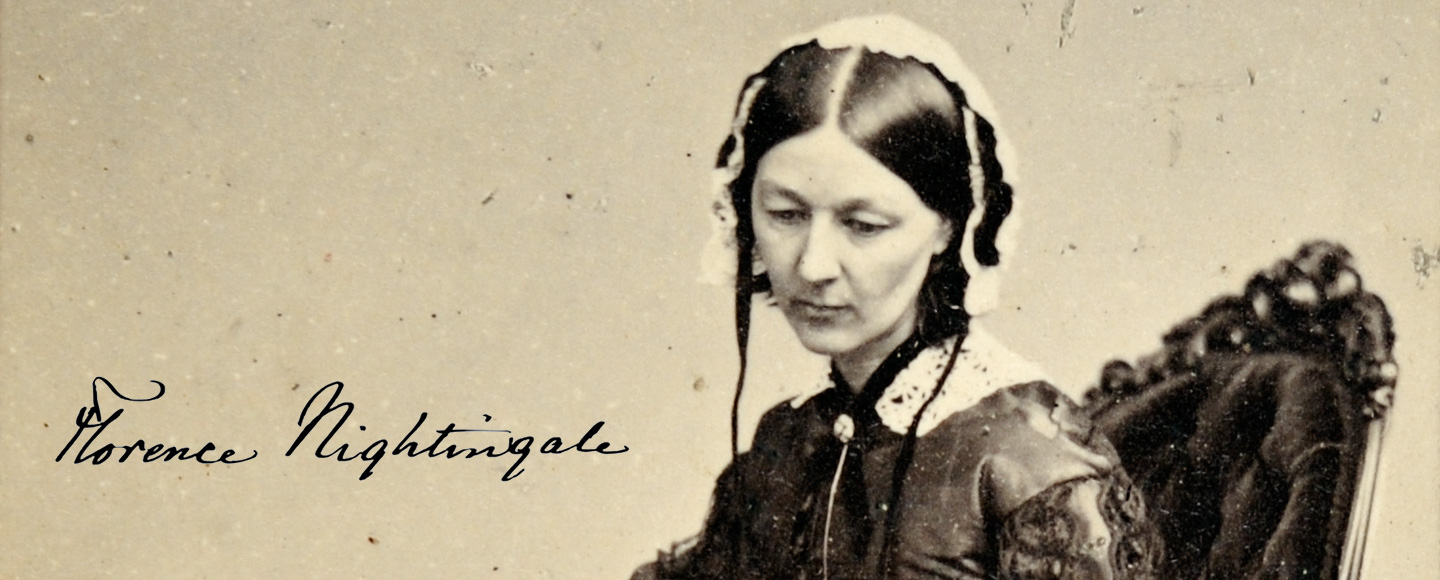
Florence Nightingale (12th May 1820 - 13th August 1910) was an English social reformer and the founder of modern nursing. Florence came to prominence while serving as a manger of nurses trained by her during the Crimean War, where she organized the tending to wounded soldiers. She gave nursing a highly favourable reputation and became the icon of Victorian culture, especially in the persona of "The Lady with the Lamp" making rounds of wounded soldiers at night.
(All information is from Wikipedia).
Critics agreed on the decisive importance of her follow-up achievements in professionalizing nursing roles for women. In 1860, Florence laid the foundation of professional nursing with the establishment of her nursing school at St.Thomas' Hospital in London. It was the first secular nursing school in the world, now part of King's College London. In recognition of her pioneering work in nursing, the Nightingale Pledge taken by new nurses, and the Florence Nightingale medal, the highest international distinction a nurse can achieve, were named in her honour, and the annual International Nurses Day is celebrated around the world on her birthday. Her social reforms include improving healthcare for all sections of British Society, helping to abolish prostitution laws that were over-harsh to women, and expanding the acceptable forms of female participation in the workplace.
Florence was a versatile writer and in her lifetime, much of her published work was concerned with spreading medical knowledge. Some of her tracts were written in simple English so that they could easily be understood by those with poor literary skills.
Florence was born on 12th May, 1820, into a rich, upper-class family, in Florence, Tuscany, Italy. The family moved back to England in 1821, and Florence was brought up in one of the family's three homes. Her father educated Florence, which is where she got her liberal-humanitarian outlook.
It was expected that Florence would marry well and become a mother, however, she showed great determination in wanting to become a nurse and "respectfully" rebelled against her mother. Florence worked hard to educate herself in the art and science of nursing. This young woman believed she had a "calling" to nursing.
Florence's most famous contribution came during the Crimean War. The conditions were horrific for the wounded soldiers so on 21st October, 1854, Florence and 38 women volunteer nurses that she had trained, were sent, along with 15 Catholic nuns, to the Ottoman Empire. Florence and the others found that poor care for wounded soldiers was being delivered by overworked medical staff. Medicines were in short supply, hygiene neglected, and mass infections were common, many of them fatal. There was no equipment to process food for the patients.
Florence sent a plea to The Times for a government solution and a prefabricated hospital was shipped. The result was Renkia Hospital. Florence herself helped reduce the death rate by making improvements in hygiene. For example, Florence implemented "handwashing" and other hygiene practices in the war hospital in which she worked.
During her time at the war hospital, Florence saw more soldiers die from disease than battle wounds and realized that the unsanitary conditions contributed greatly to the deaths. She did her best to improve these conditions and the deaths were reduced. Florence never claimed any credit for saving the soldiers lives.
Upon returning to Britain, Florence studied the evidence and believed that the death rates were due to poor nutrition, lack of supplies, stale air and overworking of the soldiers. This influenced her later career, when she advocated sanitary living conditions as of great importance. Thus, Florence turned her attention to the sanitary design of hospitals and the introduction of sanitation in working-class homes.
On 13th August,1910, at the age of 90, Florence died peacefully in her sleep in her room at 10 South Street, Mayfair, London. Florence was buried in the graveyard at St.Margaret's Church in East Wellow, Hampshire, near Embley Park.
Florence Nightingale's lasting contribution has been her role in founding the modern nursing profession. She set an example of compassion, commitment to patient care and diligent and thoughtful hospital administration.
(All information is from Wikipedia).
Critics agreed on the decisive importance of her follow-up achievements in professionalizing nursing roles for women. In 1860, Florence laid the foundation of professional nursing with the establishment of her nursing school at St.Thomas' Hospital in London. It was the first secular nursing school in the world, now part of King's College London. In recognition of her pioneering work in nursing, the Nightingale Pledge taken by new nurses, and the Florence Nightingale medal, the highest international distinction a nurse can achieve, were named in her honour, and the annual International Nurses Day is celebrated around the world on her birthday. Her social reforms include improving healthcare for all sections of British Society, helping to abolish prostitution laws that were over-harsh to women, and expanding the acceptable forms of female participation in the workplace.
Florence was a versatile writer and in her lifetime, much of her published work was concerned with spreading medical knowledge. Some of her tracts were written in simple English so that they could easily be understood by those with poor literary skills.
Florence was born on 12th May, 1820, into a rich, upper-class family, in Florence, Tuscany, Italy. The family moved back to England in 1821, and Florence was brought up in one of the family's three homes. Her father educated Florence, which is where she got her liberal-humanitarian outlook.
It was expected that Florence would marry well and become a mother, however, she showed great determination in wanting to become a nurse and "respectfully" rebelled against her mother. Florence worked hard to educate herself in the art and science of nursing. This young woman believed she had a "calling" to nursing.
Florence's most famous contribution came during the Crimean War. The conditions were horrific for the wounded soldiers so on 21st October, 1854, Florence and 38 women volunteer nurses that she had trained, were sent, along with 15 Catholic nuns, to the Ottoman Empire. Florence and the others found that poor care for wounded soldiers was being delivered by overworked medical staff. Medicines were in short supply, hygiene neglected, and mass infections were common, many of them fatal. There was no equipment to process food for the patients.
Florence sent a plea to The Times for a government solution and a prefabricated hospital was shipped. The result was Renkia Hospital. Florence herself helped reduce the death rate by making improvements in hygiene. For example, Florence implemented "handwashing" and other hygiene practices in the war hospital in which she worked.
During her time at the war hospital, Florence saw more soldiers die from disease than battle wounds and realized that the unsanitary conditions contributed greatly to the deaths. She did her best to improve these conditions and the deaths were reduced. Florence never claimed any credit for saving the soldiers lives.
Upon returning to Britain, Florence studied the evidence and believed that the death rates were due to poor nutrition, lack of supplies, stale air and overworking of the soldiers. This influenced her later career, when she advocated sanitary living conditions as of great importance. Thus, Florence turned her attention to the sanitary design of hospitals and the introduction of sanitation in working-class homes.
On 13th August,1910, at the age of 90, Florence died peacefully in her sleep in her room at 10 South Street, Mayfair, London. Florence was buried in the graveyard at St.Margaret's Church in East Wellow, Hampshire, near Embley Park.
Florence Nightingale's lasting contribution has been her role in founding the modern nursing profession. She set an example of compassion, commitment to patient care and diligent and thoughtful hospital administration.
Sunday, 8 April 2018
GRACE KELLY
Grace Patricia Kelly (November 12th, 1929 - September 14th, 1982) was an American movie actress who became Princess of Monaco after marrying Prince Rainier III, in April 1956.
(All information is from Wikipedia)
After embarking on an acting career in 1950, when she was 20, Grace appeared in New York City theatrical productions and more than 40 episodes of live drama productions broadcast during the early 1950s Golden Age of Television. In October 1953, she gained stardom from her performance in the film Mogambo starring Clark Gable and Ava Gardner, which won her a Golden Globe Award and an Academy Award nomination in 1954. She had leading roles in five films, as well as The Country Girl, High Noon, Dial M For Murder, Rear Window, To Catch A Thief and High Society.
Kelly retired from acting at the age of 26 to marry Prince Rainier and began her duties as Princess of Monaco. They had three children : Caroline, Albert II and Stephanie. Kelly retained her link to America by her dual U.S. and Monegasque citizenship. Princess Grace suffered a stroke while driving home to Monaco on September 1st, 1982, and had a road accident which led to her death the following day.
Grace was born in Pennsylvania to an affluent and influential family. Her father was in politics and her mother focused on being a housewife and mother. Grace had two older siblings, Margaret and John Junior, and a younger sister Elizabeth. The children were raised in the Roman Catholic faith. Even at the young age of twelve, Grace played the lead in Don't Feed The Animals, a play produced by the East Falls Old Academy Players. Before graduating in May 1947 from Stevens School, Grace acted and danced.
Her parents initially disapproved of their daughter's choice of career but this did not stop Grace from pursuing her dreams of being an actress. Grace was admitted into the American Academy of Dramatic Arts in New York and worked as a model to support her studies.
After many films and winning awards, Grace headed the U.S. delegation at the Cannes Film Festival in April 1955. While there, she was invited to participate in a photo session at the Palace of Monaco with Prince Rainier III, the sovereign of the principality. After a series of delays and complications, she met the Prince in Monaco. Upon returning to America, Grace began a private correspondence with Prince Rainier.
While in the United States, Rainier met Grace and her family, and after three days, he proposed. Grace accepted, and the families began preparations for what the press at the time dubbed "The Wedding of the Century." The religious wedding was set for April 19th, 1956, which was estimated to have been watched by over 30 million viewers on live television.
During her marriage, Grace performed her daily duties as a Princess and became involved in philanthropic work. She founded AMADE Mondale, a Monico-based non-profit organization which promotes and protects the "moral and physical integrity" and "spiritual well-being of children throughout the world." Grace was also active in improving the arts institutions of Monaco, forming the Princess Grace Foundation in 1964 to support local artists.
After the car accident in 1982, Grace died the following night after Prince Rainier chose to take her off life support. Prince Rainier was buried alongside Grace in 2005.
(All information is from Wikipedia)
After embarking on an acting career in 1950, when she was 20, Grace appeared in New York City theatrical productions and more than 40 episodes of live drama productions broadcast during the early 1950s Golden Age of Television. In October 1953, she gained stardom from her performance in the film Mogambo starring Clark Gable and Ava Gardner, which won her a Golden Globe Award and an Academy Award nomination in 1954. She had leading roles in five films, as well as The Country Girl, High Noon, Dial M For Murder, Rear Window, To Catch A Thief and High Society.
Kelly retired from acting at the age of 26 to marry Prince Rainier and began her duties as Princess of Monaco. They had three children : Caroline, Albert II and Stephanie. Kelly retained her link to America by her dual U.S. and Monegasque citizenship. Princess Grace suffered a stroke while driving home to Monaco on September 1st, 1982, and had a road accident which led to her death the following day.
Grace was born in Pennsylvania to an affluent and influential family. Her father was in politics and her mother focused on being a housewife and mother. Grace had two older siblings, Margaret and John Junior, and a younger sister Elizabeth. The children were raised in the Roman Catholic faith. Even at the young age of twelve, Grace played the lead in Don't Feed The Animals, a play produced by the East Falls Old Academy Players. Before graduating in May 1947 from Stevens School, Grace acted and danced.
Her parents initially disapproved of their daughter's choice of career but this did not stop Grace from pursuing her dreams of being an actress. Grace was admitted into the American Academy of Dramatic Arts in New York and worked as a model to support her studies.
After many films and winning awards, Grace headed the U.S. delegation at the Cannes Film Festival in April 1955. While there, she was invited to participate in a photo session at the Palace of Monaco with Prince Rainier III, the sovereign of the principality. After a series of delays and complications, she met the Prince in Monaco. Upon returning to America, Grace began a private correspondence with Prince Rainier.
While in the United States, Rainier met Grace and her family, and after three days, he proposed. Grace accepted, and the families began preparations for what the press at the time dubbed "The Wedding of the Century." The religious wedding was set for April 19th, 1956, which was estimated to have been watched by over 30 million viewers on live television.
During her marriage, Grace performed her daily duties as a Princess and became involved in philanthropic work. She founded AMADE Mondale, a Monico-based non-profit organization which promotes and protects the "moral and physical integrity" and "spiritual well-being of children throughout the world." Grace was also active in improving the arts institutions of Monaco, forming the Princess Grace Foundation in 1964 to support local artists.
After the car accident in 1982, Grace died the following night after Prince Rainier chose to take her off life support. Prince Rainier was buried alongside Grace in 2005.
Sunday, 1 April 2018
QUEEN ELIZABETH I
Elizabeth I was Queen of England and Ireland from 17th November, 1558, until her death on 24th March, 1603. Sometimes called The Virgin Queen, Gloriana or Good Queen Bess, Elizabeth was the last Monarch of the House of Tudor. (All information is from Wikipedia.)
"I know I have the body of a weak and feeble woman, but I have the heart and stomach of a King, and a King of England too."(A quote from Elizabeth I)
Elizabeth was the only daughter of Henry VIII and Anne Boleyn, his second wife, who was executed two and a half years after Elizabeth was born. The marriage between Henry and Anne was annulled and Elizabeth was declared illegitimate.
During her step-sister's, Mary I's, reign, Elizabeth was imprisoned for nearly a year on suspicion of supporting Protestant rebels.
In 1558, Elizabeth succeeded her step-sister to the throne and set out to rule by counsel. One of her first actions was the establishment of an English Protestant Church, of which she became Supreme Governor. In religion, Elizabeth was relatively tolerant and avoided systematic persecution. England's defeat of the Spanish Armada in 1588 associated Elizabeth with one of the greatest military victories in English history.
Elizabeth's reign is known as the Elizabethan Era, the Era famous for the flourishing of English drama and English adventurers. Elizabeth herself was a charismatic performer and a survivor. Mary, Queen of Scots, who was Elizabeth's rival, was imprisoned in 1568 and was executed in 1587.
Elizabeth's reign of 44 years was welcomed as it stabilized the country and helped forge a sense of national identity.
"I know I have the body of a weak and feeble woman, but I have the heart and stomach of a King, and a King of England too."(A quote from Elizabeth I)
Elizabeth was the only daughter of Henry VIII and Anne Boleyn, his second wife, who was executed two and a half years after Elizabeth was born. The marriage between Henry and Anne was annulled and Elizabeth was declared illegitimate.
During her step-sister's, Mary I's, reign, Elizabeth was imprisoned for nearly a year on suspicion of supporting Protestant rebels.
In 1558, Elizabeth succeeded her step-sister to the throne and set out to rule by counsel. One of her first actions was the establishment of an English Protestant Church, of which she became Supreme Governor. In religion, Elizabeth was relatively tolerant and avoided systematic persecution. England's defeat of the Spanish Armada in 1588 associated Elizabeth with one of the greatest military victories in English history.
Elizabeth's reign is known as the Elizabethan Era, the Era famous for the flourishing of English drama and English adventurers. Elizabeth herself was a charismatic performer and a survivor. Mary, Queen of Scots, who was Elizabeth's rival, was imprisoned in 1568 and was executed in 1587.
Elizabeth's reign of 44 years was welcomed as it stabilized the country and helped forge a sense of national identity.
Subscribe to:
Posts (Atom)